Eaton Square stain removal and sofa cleaning case study
Posted on 11/10/2026
If you have ever looked at a sofa after a spill and felt that sinking little pause, you are not alone. An Eaton Square stain removal and sofa cleaning case study is useful because it shows what careful upholstery cleaning looks like in a high-value London home environment, where fabric choice, stain type, and finish all matter. The aim here is simple: help you understand the process, the risks, the decision points, and what a good result should actually look like. Not just "cleaner", but properly cleaner.
Eaton Square properties often feature quality furnishings, delicate textiles, and rooms where a rushed fix can do more harm than good. So in this article, we walk through the thinking behind stain removal and sofa cleaning, explain the methods in plain English, and share the sort of practical detail that helps you make a sensible choice. Nothing theatrical. Just real-world guidance, with a bit of London common sense mixed in.
- What you will learn: how stain removal differs from general sofa cleaning
- Why it matters: protecting fabric, appearance, and long-term condition
- What to avoid: the mistakes that cause water marks, dye bleed, and fibre damage
- How to judge quality: what a careful upholstery clean should include
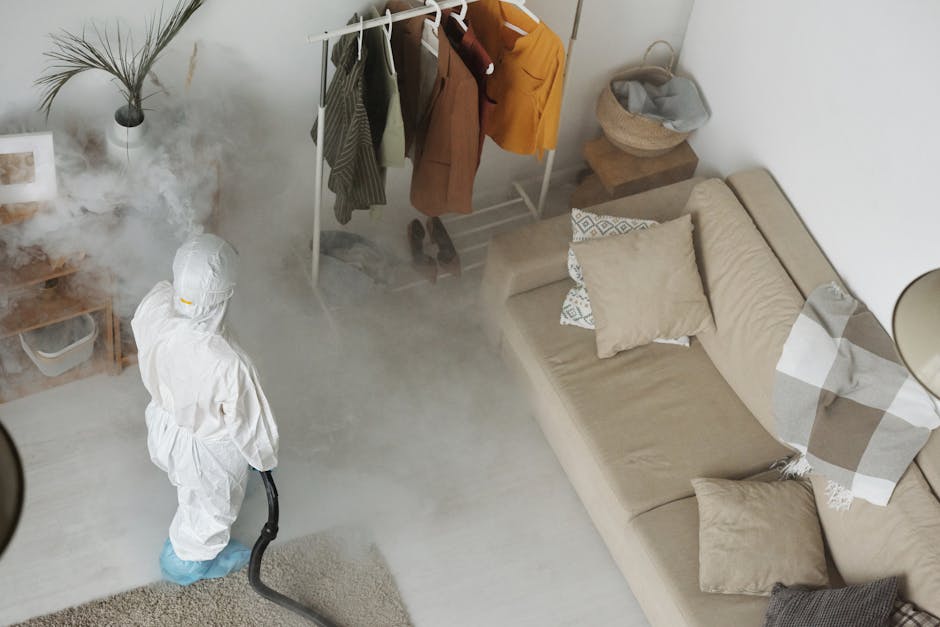
Why Eaton Square stain removal and sofa cleaning case study Matters
A sofa is one of those things you stop noticing until something goes wrong. A tea ring appears. A pet mark lingers. A guest drops a bit of food, and suddenly the eye goes straight to the blemish every time you enter the room. In a place like Eaton Square, where interiors are often polished and carefully kept, even a small stain can feel disproportionately obvious. That is one reason this kind of case study matters.
The topic matters for another reason too: upholstery is not all the same. A cotton blend sofa behaves differently from velvet, linen, wool, or a synthetic mix. A stain that looks minor on the surface may have already travelled into the backing, and a quick scrub can spread it, set it, or distort the pile. Truth be told, a lot of bad sofa damage starts with good intentions.
This case study approach helps separate panic from procedure. Instead of guessing, you look at the type of fabric, the nature of the stain, the age of the spill, and the safest cleaning route. That is especially important in homes where there may be fine detailing, light colours, or bespoke furniture that you do not want to gamble with. It also helps set realistic expectations. Not every mark vanishes completely, and being honest about that upfront is part of good service, not a weakness.
For readers researching local upholstery care, it is also useful to understand how a broader cleaning plan fits together. Sometimes a sofa clean happens alongside a full property refresh, and services such as deep cleaning in Belgravia or professional upholstery cleaning in Belgravia are part of the same maintenance picture. One clean room tends to reveal where the next issue is hiding. Bit annoying, but useful.
How Eaton Square stain removal and sofa cleaning case study Works
The process usually begins with identification. Before any moisture or chemistry is introduced, the cleaner needs to understand the fibre type and the stain category. Is it a water-based spill like coffee or juice? Is it oil-based, such as food grease or makeup? Is the mark old, oxidised, or already treated with an unsuitable spotter? These details shape the method.
From there, the cleaner typically tests an inconspicuous area. That sounds basic, but it is one of the most important steps. A short test helps reveal whether the fabric bleeds, distorts, or reacts badly to moisture or solution. On delicate fabrics, especially those with pile direction or subtle colour variation, this is the difference between a controlled clean and a problem that becomes visible from across the room.
The actual cleaning stage is usually built around a careful sequence:
- Dry soil removal, often with vacuuming and agitation where suitable.
- Targeted stain assessment and pre-treatment.
- Gentle application of the chosen solution.
- Controlled extraction or low-moisture cleaning method.
- Rinsing or neutralising where needed.
- Final grooming, drying support, and inspection.
That sequence sounds straightforward, but the judgement sits in the details. For example, a stain removal specialist might reduce moisture use on a sofa with fragile seams, or work more slowly on a patterned fabric to avoid a halo mark. Sometimes the right move is not more product, but less. That surprises people, but there you go.
In homes where upholstery care is part of a wider maintenance routine, it can also make sense to combine this with routine house cleaning or domestic cleaning in Belgravia. A sofa clean stands out more when the rest of the room has already been dusted, vacuumed, and aired properly.
Key Benefits and Practical Advantages
The most obvious benefit is visual. A professionally handled sofa clean can restore a room's balance, lift the look of the furniture, and remove that one stubborn mark your eyes keep travelling to. But the practical benefits go beyond appearance.
- Better fabric care: the right approach reduces wear, over-wetting, and colour loss.
- Improved hygiene: upholstery can hold dust, skin oils, allergens, and everyday debris.
- Odour control: lingering smells from food, pets, or spills are tackled at source.
- Longer furniture life: proper cleaning helps maintain the condition of the textile and filling.
- More predictable outcomes: you know what has been tried, what worked, and what still needs attention.
There is also a financial angle, though it is best understood carefully. A well-maintained sofa often lasts longer before replacement becomes necessary. That does not mean cleaning "saves" a fixed amount; it simply means the furniture has a better chance of staying serviceable and presentable. For households and landlords alike, that is a useful advantage.
Another practical plus is confidence. When you know a stain was handled with the right method, you stop worrying about it every time someone sits down. That sounds small, but it makes a real difference in daily life. You should be able to use the sofa again without hovering over it like a nervous museum guard.
| Benefit | What it means in practice | Why it matters |
|---|---|---|
| Targeted stain removal | Treats the mark rather than the whole sofa blindly | Reduces the chance of spreading or setting the stain |
| Fabric-safe methods | Cleaning is matched to fibre type and finish | Helps avoid distortion, fading, or shrinkage |
| Better room presentation | The sofa fits the space again visually | Important in elegant, guest-facing homes |
| Improved upkeep | Stops grime building up quietly over time | Supports longer furniture life |
Who This Is For and When It Makes Sense
This type of cleaning is not only for dramatic emergencies. In fact, the best time to deal with an upholstery issue is usually before it becomes a stubborn, old stain. If you are wondering whether your situation is the kind that justifies professional help, ask yourself a few plain questions.
- Is the sofa made from a delicate or premium fabric?
- Has the stain already been scrubbed or treated with the wrong product?
- Is the mark large, dark, greasy, or still spreading?
- Is there a smell as well as a visible stain?
- Do you need the furniture ready for guests, tenants, or a special occasion?
If you answered yes to one or more of those, a professional clean probably makes sense. It is especially relevant for homeowners in Eaton Square, landlords preparing a property, or busy households where the sofa gets heavy daily use. Office lounges and reception spaces can benefit too, although the decision process is slightly different because timing and business continuity matter.
Sometimes the issue is not a single stain at all, but general dullness. A sofa can start to look tired even when no one dramatic incident has happened. That is usually a sign of accumulated body oils, dust, and surface grime. The fabric is telling on the room, basically.
Step-by-Step Guidance
If you are trying to understand how a careful stain removal and sofa cleaning job should be carried out, the following step-by-step outline is a sensible benchmark. It is not an invitation to experiment with a valuable sofa at home; rather, it helps you see what a good process looks like.
1. Inspect the fabric and stain
The cleaner identifies the upholstery fibre, the construction of the sofa, and the type of stain. This includes checking labels where available and looking for warning signs such as colour bleed risk, previous repairs, or worn patches.
2. Test in a hidden area
A small test helps confirm how the fabric reacts. This step can save a great deal of trouble later. If the fabric darkens too much, shades unevenly, or releases dye, the method should be adjusted before broader treatment starts.
3. Remove loose dirt
Vacuuming or dry soil removal comes before wet cleaning. It may not feel glamorous, but it matters. If grit is left in the fibres, it can turn into mud during cleaning and complicate extraction.
4. Pre-treat the stain
The right pre-treatment depends on the contamination. Protein-based marks, oils, tannins, and general soiling each respond differently. A careful cleaner uses the least aggressive approach that still has a decent chance of success.
5. Apply controlled cleaning
This might involve low-moisture upholstery cleaning, hand agitation, spot extraction, or a more comprehensive wet clean depending on the material. The main aim is to lift the stain without soaking the sofa or stressing the fabric backing.
6. Rinse or neutralise where needed
Residue left behind can attract dirt again, so a rinse or neutralising step is often important. This is one of those behind-the-scenes details that has a big effect on how the sofa looks a week later, not just on the day of cleaning.
7. Dry properly and groom the fibres
Drying is not a throwaway stage. Good airflow, careful positioning, and fibre grooming help the upholstery return to shape and avoid water marks. On fabrics with pile, grooming can also restore a more even appearance.
8. Review the result honestly
The final check should be realistic. Some stains reduce dramatically rather than disappear completely. A good technician will explain the outcome clearly, not pretend miracles happened. Honestly, that is more reassuring than overpromising.
Expert Tips for Better Results
There are a few habits that consistently improve outcomes, especially with high-end upholstery. None are flashy. They are just the kind of things experienced cleaners do automatically.
- Act early: fresh stains are usually easier to treat than settled ones.
- Blot, do not rub: rubbing pushes contamination deeper and distorts fibres.
- Avoid home chemicals first: supermarket products can set certain stains or bleach the area unevenly.
- Let the sofa dry fully: using it too soon can flatten fibres or re-soil the area.
- Keep a record of what was used: helpful if follow-up treatment is needed later.
One practical tip that saves hassle: ventilate the room before and after cleaning. Even on a mild London morning, a little airflow speeds drying and reduces that damp-upholstery smell that nobody enjoys. It is simple, but surprisingly effective.
Another small but important point is matching expectations to fabric. Velvet, for example, needs a different touch than a plain woven fabric. If you have ever seen pile marks that change direction and catch the light oddly, you will know how visible the finish can be. That is why the last stage of grooming matters more than people think.
Expert summary: The best sofa cleaning is not the most aggressive cleaning. It is the most appropriate one. Fabric-safe choices, patient stain testing, and proper drying usually beat force every time.
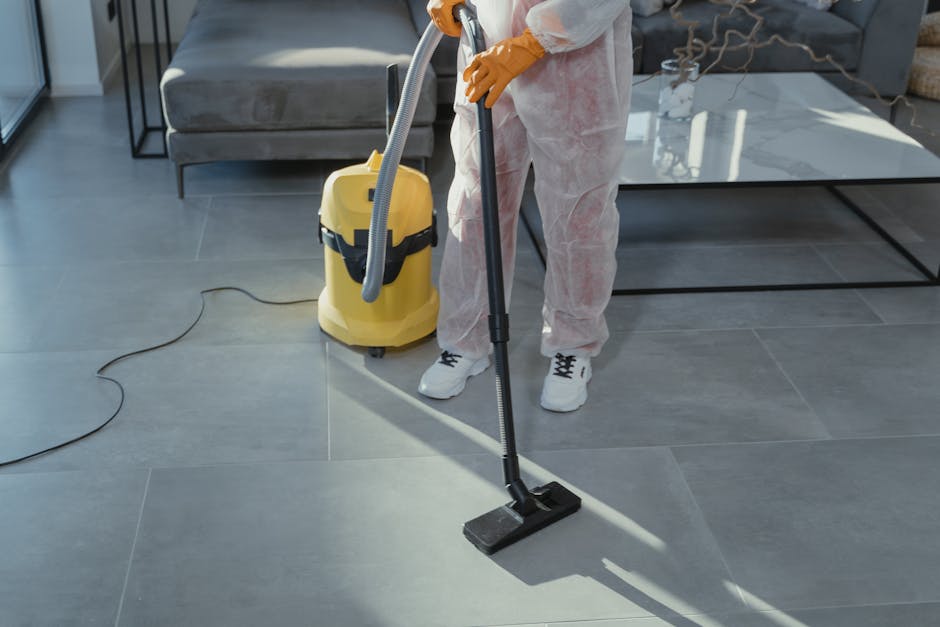
Common Mistakes to Avoid
This is where a lot of perfectly good sofas get into trouble. The mistakes are common because they seem sensible in the moment. That is the trap.
Scrubbing too hard
It feels productive, but it often pushes the stain into the fibre and flattens the upholstery texture. On some fabrics it also creates a visible abrasion patch.
Using too much water
Over-wetting can cause water marks, backing damage, and longer drying times. On some sofas, moisture travels beyond the target area and leaves a larger ring than the original stain. Not ideal.
Mixing products
Combining cleaners without knowing how they react can create residue, colour loss, or unnecessary fumes. If one product did not work, adding another at random is rarely the answer.
Ignoring the stain type
A coffee stain is not treated the same way as a grease mark or ink spot. If you treat every stain as one generic problem, the result is usually disappointing.
Skipping the test patch
This is one of the most avoidable errors. A hidden test area can reveal a lot before the visible area is touched.
There is also the mistake of leaving the sofa half-cleaned. People sometimes stop as soon as the visible stain fades, but residue and moisture still matter. If the fabric is not fully rinsed or dried properly, it can attract dirt again faster than expected. Then you are right back where you started. Annoying, frankly.
Tools, Resources and Recommendations
A quality upholstery job does not depend on gimmicks. It depends on the right tools being used with restraint and judgement. The exact kit varies by fabric and stain type, but the following are commonly useful in a professional setting.
- Professional upholstery vacuum with suitable attachments
- Microfibre cloths and clean white towels
- Controlled application sprayers
- pH-conscious cleaning solutions matched to the fabric
- Soft brushes for gentle agitation
- Moisture extraction equipment where appropriate
- Air movers or practical drying support
For a homeowner or building manager, the most useful "resource" is often a clear understanding of what should happen before, during, and after the clean. If a service provider explains the fabric testing, cleaning method, and drying plan in simple terms, that is a positive sign. Vague answers are a warning light. Not a disaster, but a flag.
It can also help to look at related upholstery and property care services, especially when one issue is part of a bigger maintenance cycle. Pages like services overview, carpet cleaning in Belgravia, and one-off cleaning in Belgravia can give a better sense of how fabric care fits into broader cleaning plans for a home or property.
Law, Compliance, Standards, or Best Practice
For upholstery cleaning, the key point is not a long list of laws but a careful, safety-first approach. In the UK, any professional cleaner should work with appropriate chemical handling, sensible risk assessment, and attention to fabric safety. That usually means reading product instructions, testing methods before full application, and using equipment responsibly.
Best practice also includes being honest about limitations. If a stain may not fully lift, that should be said early. If a fabric is fragile or previously damaged, the cleaner should explain the risk before proceeding. In a residential setting, especially where valuable furnishings are involved, that level of transparency matters a great deal.
It is also sensible to expect good housekeeping standards: tidy work, clear communication, protective care around surrounding furniture, and respect for the property. If a job creates unnecessary mess or leaves the room damp for far too long, that is not a sign of thoroughness. It is usually a sign of poor control.
For customers, practical safety considerations include ventilation, keeping children and pets away until the area is ready, and allowing proper drying time. That is common-sense advice, but common sense is worth saying out loud sometimes.
Options, Methods, or Comparison Table
Different stains and fabrics call for different methods. There is no single magic approach, despite what some ads imply. Here is a simple comparison that may help you understand the trade-offs.
| Method | Best for | Advantages | Limitations |
|---|---|---|---|
| Dry soil removal | Everyday dust and loose debris | Reduces grit before wet cleaning | Will not remove embedded stains |
| Targeted spot treatment | Small, defined stains | Focused and efficient | May leave edges if done poorly |
| Low-moisture upholstery cleaning | Delicate fabrics and general refresh | Shorter drying times, less saturation | May be less effective on heavy staining |
| Hot water extraction | Some robust upholstery types | Strong soil removal | Too much moisture for some fabrics |
| Hand cleaning with controlled agitation | Fragile or high-risk textiles | More careful fabric handling | Slower and more labour-intensive |
In practice, the best choice is often a blend. A cleaner might use spot treatment for the stain, then a gentler overall refresh to even out the result. That balance is what prevents the "one patch looks clean, the rest looks tired" problem. A sofa should look uniformly cared for, not patched like a repair workshop.
Case Study or Real-World Example
Here is a realistic example based on the kind of work commonly encountered in Eaton Square properties. No names, no theatrics, just the sort of situation a local cleaner might walk into on an ordinary weekday morning.
A light-coloured three-seater sofa had a visible stain on one seat cushion after a drink spill. The mark had been left to dry overnight, and the owner had tried to dab it with a cloth, which helped a little but also spread the edge. The fabric appeared to be a woven upholstery material with a soft finish, so the cleaner began with a small test patch and careful inspection.
The stain was first assessed as a mix of liquid residue and surface dirt, with slight darkening at the edges. Dry vacuuming came next, followed by targeted pre-treatment using a fabric-safe solution. The cleaner then used controlled agitation and low-moisture extraction rather than saturating the cushion. That mattered because the fabric backing was not something to gamble with.
After treatment, the visible stain reduced significantly and the cushion dried evenly with proper airflow. A faint trace remained under close inspection, but the overall appearance improved enough that the sofa again looked tidy and balanced in the room. That is a sensible outcome. Not magic. Just good method.
What made the difference here was not aggressive cleaning. It was patience, test-patching, and knowing when to stop. If the owner had scrubbed harder or used a kitchen spray at the start, the final result could easily have been worse. A small stain can become a big story if the wrong product gets involved.
This is also where broader property care can help. In a high-spec home, fabric cleaning often fits alongside seasonal upkeep or a more complete refresh, such as a Belgravia carpet cleaning visit near Eaton Square SW1X or a wider property maintenance plan. It is all connected. One room shows the rest of the house what to pay attention to.
Practical Checklist
Use this quick checklist before you decide how to handle a sofa stain or book a clean. It keeps the process a bit less guessy.
- Identify the fabric if you can find the care label.
- Note the stain type - food, drink, grease, ink, pet issue, or unknown.
- Check how long the stain has been there.
- Avoid rubbing the area repeatedly.
- Do not mix products without knowing the risk.
- Test a hidden area before any broader treatment.
- Allow time for drying and airflow afterwards.
- Ask for a clear explanation of the method being used.
- Confirm what result is realistic before work starts.
- Keep pets and children away until the sofa is fully ready.
If you can tick most of these off, you are already ahead of the curve. Small checks, big difference.
Conclusion
An Eaton Square stain removal and sofa cleaning case study is valuable because it shows how careful decision-making protects both appearance and fabric life. The best results usually come from proper identification, sensible testing, controlled cleaning, and honest expectations. That may sound unglamorous, but upholstery care rarely rewards drama. It rewards patience.
Whether you are dealing with a fresh spill, a stubborn old mark, or a sofa that simply looks tired, the real question is not "Can it be cleaned?" but "How should it be cleaned safely?" That distinction matters. And once you start looking at sofas that way, you make better decisions across the board.
For homes and properties in Eaton Square and nearby Belgravia, a well-handled upholstery clean can restore calm to a room in a way that feels quietly satisfying. No fuss. Just a sofa that looks like it belongs there again.
Get a free quote today and see how much you can save.